
On this page
Ask a leasing team how an applicant becomes a resident, and you'll usually get a simple answer: they apply, we screen them, they sign. Ask the systems involved, and you get a very different story.
The same household's information might pass through a listing platform, an application portal, a screening vendor, an ID verification tool, a document generator, a payment processor, and a property management system. Different teams configure those systems, and they don't always agree on the facts.
That gap between the simple story and the real one is where leasing risk tends to hide. Workflow orchestration closes it.
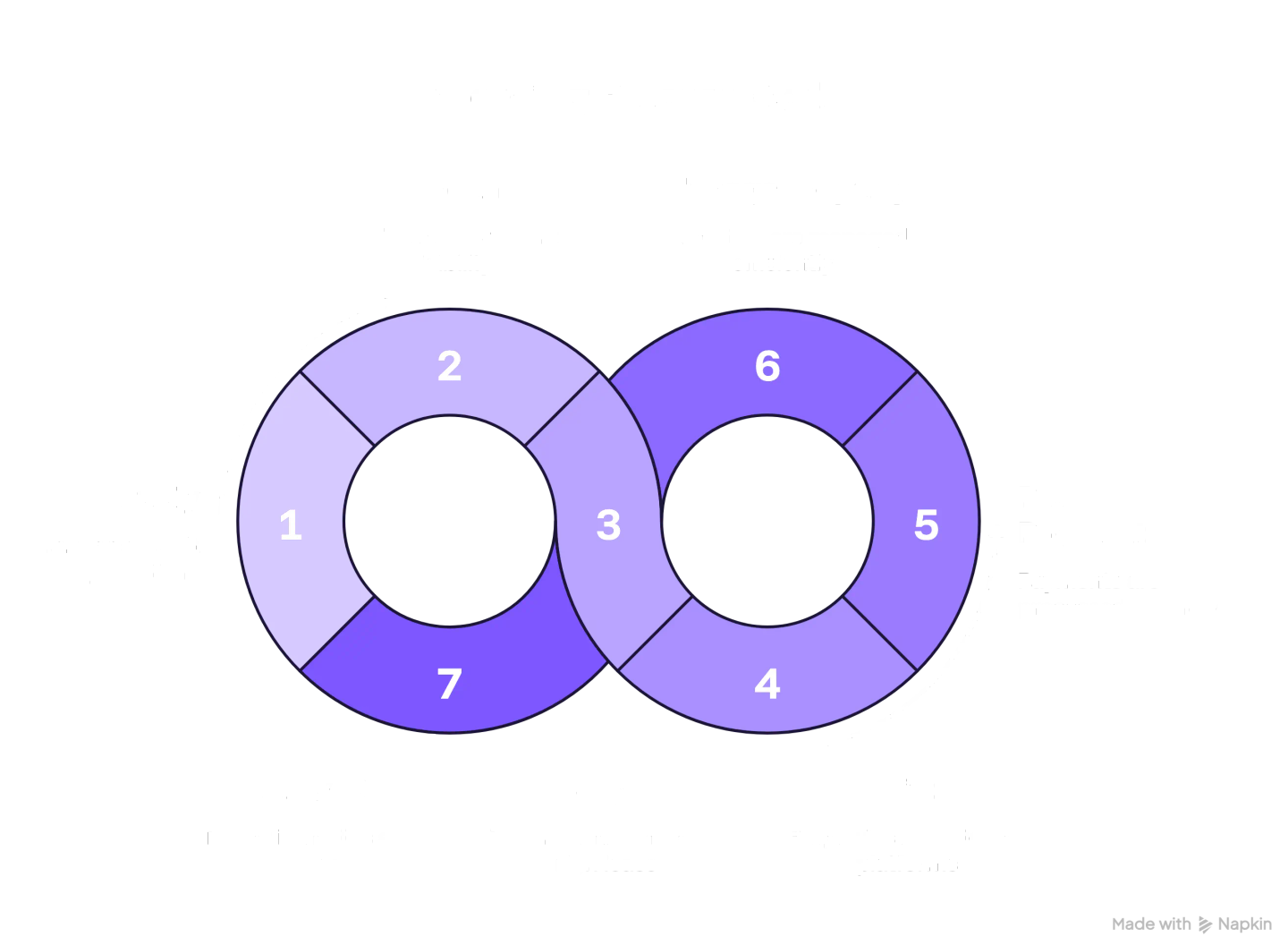
What is leasing workflow orchestration? It's the practice of running every step from application to signed lease as one governed process: rent and fees defined once, steps enforced in order, criteria applied as configured, and every disclosure, decision, and signature logged as it happens. Integrations move data between tools. Orchestration governs the process.
The leasing workflow, step by step
Here's a simplified view of what happens between "I'm interested" and "welcome home":
- Listing and inquiry. The renter sees a price and a set of fees.
- Application. Each applicant in the household provides identity, income, and household information, and usually pays a fee.
- Disclosure and acknowledgment. Every applicant should see and confirm the Total Monthly Lease Price before paying anything nonrefundable.
- Screening. Identity, income, credit, and background checks run against your rental criteria.
- Decision. Approve, conditionally approve, or deny, with the right notices.
- Lease generation. Approved applicant information and configured charges become a lease with rent, fees, terms, and required addenda.
- Signature and payment. The household signs and pays what's due at move-in.
- PMS handoff. The signed lease package and approved resident information move into the system that bills them for the length of the lease.
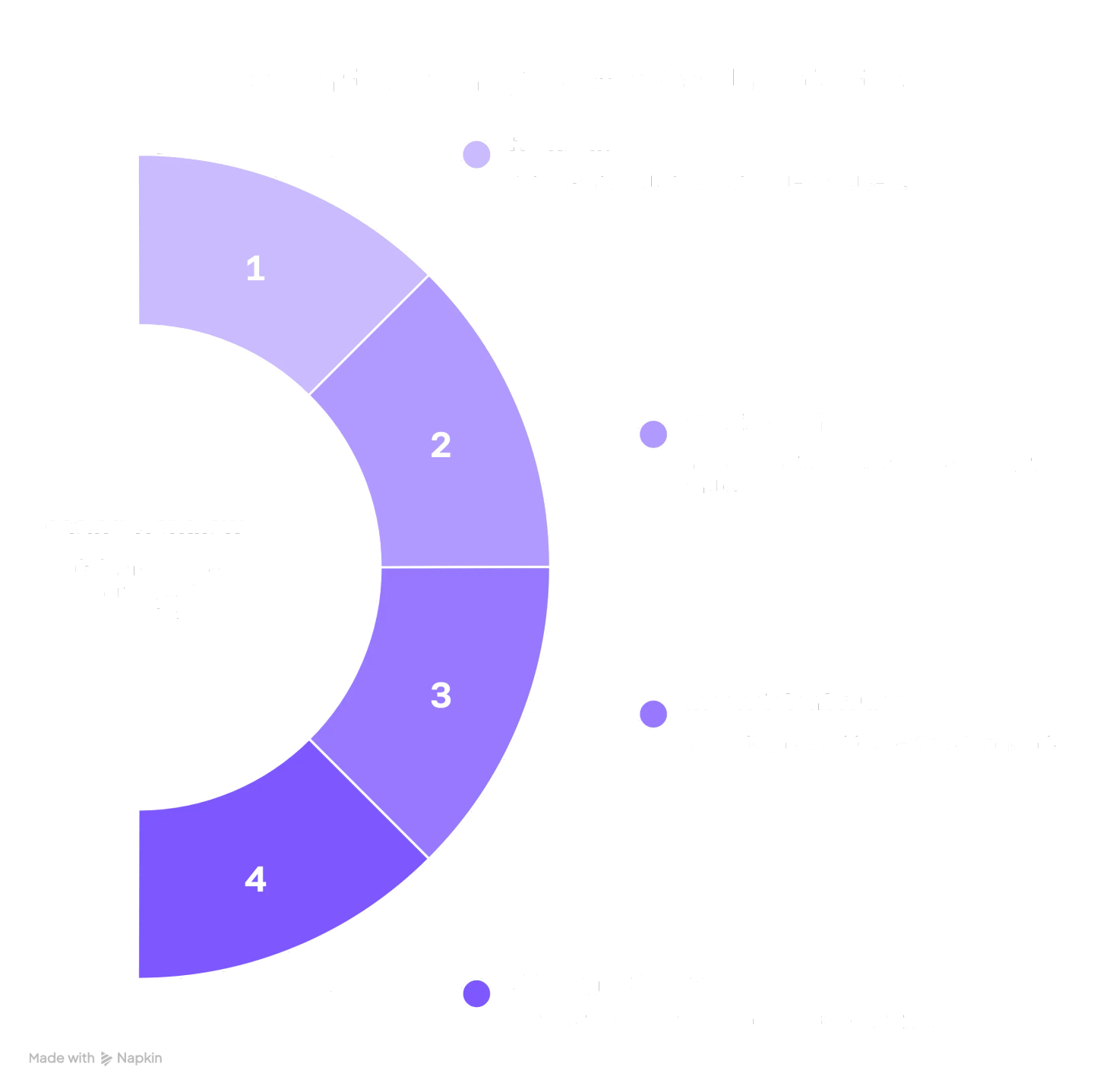
Each step is manageable on its own. The trouble starts in the handoffs between them.
Where leasing handoffs break

Re-keying. Every time a person copies data from one system into another, there's a chance of error. A fee disclosed at $45 becomes $54 in the lease. A concession applied at application doesn't carry into billing. These aren't dramatic failures, but a mismatch between disclosed and charged amounts is exactly what recent FTC rental-fee cases turned on.
Version drift. Fee schedules change. If the listing, the application, and the lease template each hold their own copy of the fees, they will drift apart. The renter ends up seeing three slightly different versions of the truth.
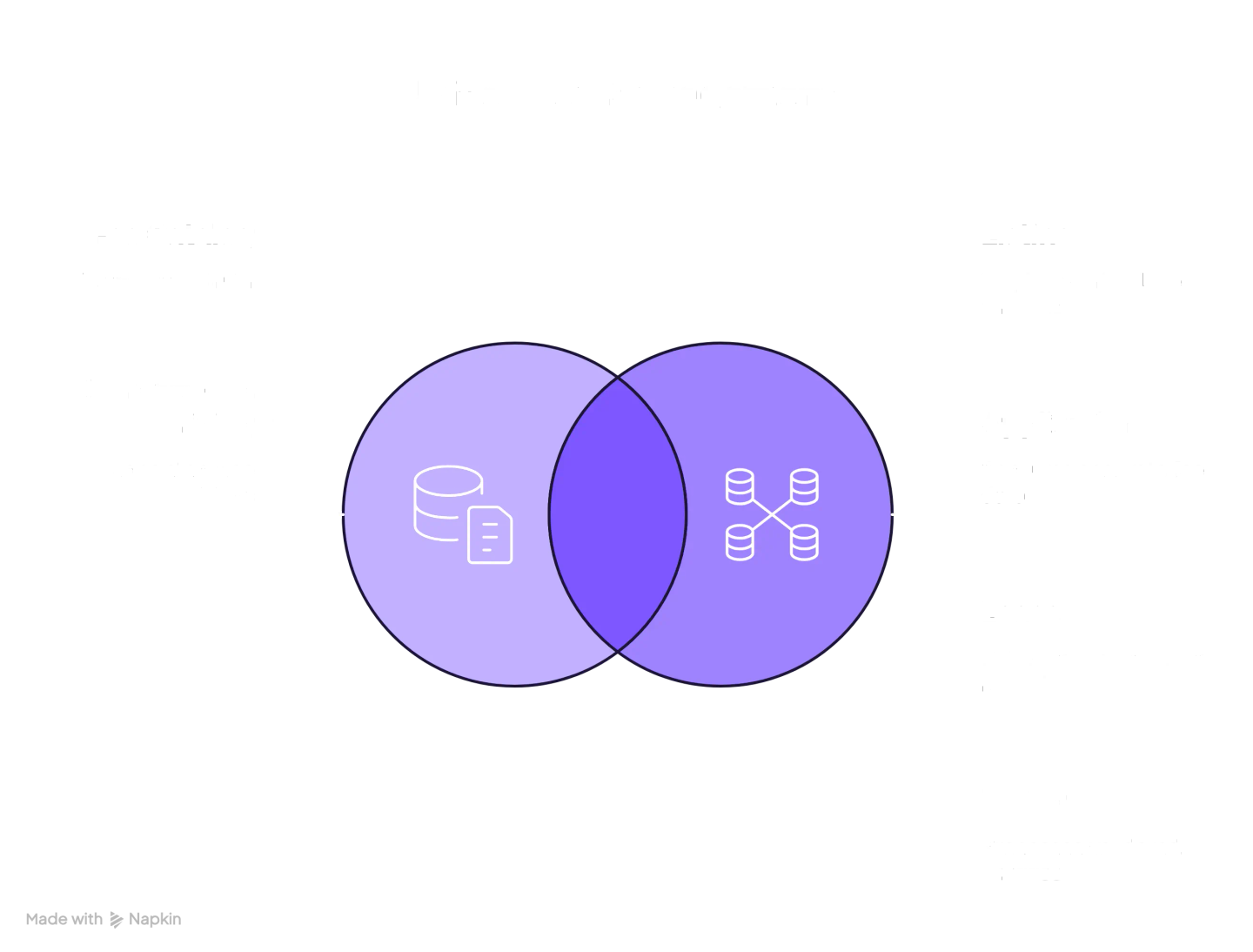
The household gap. Many applications have more than one person on them. The primary applicant picks a covered parking space and a shorter lease term. The co-applicant joins later, through a separate link, and adds a pet. Both will be jointly responsible for every one of those charges, and in many workflows neither of them has seen the combined total before they sign.
Inconsistent rules. When screening criteria live in a PDF and agents apply them by hand, two similar applicants can get different outcomes. Nobody has to intend that for it to create fair housing risk.
Missing evidence. When each system keeps its own logs, or none at all, rebuilding what happened on a single lease means pulling files from four vendors. By the time you need that lease history, it's often incomplete.
Orchestration vs. integration
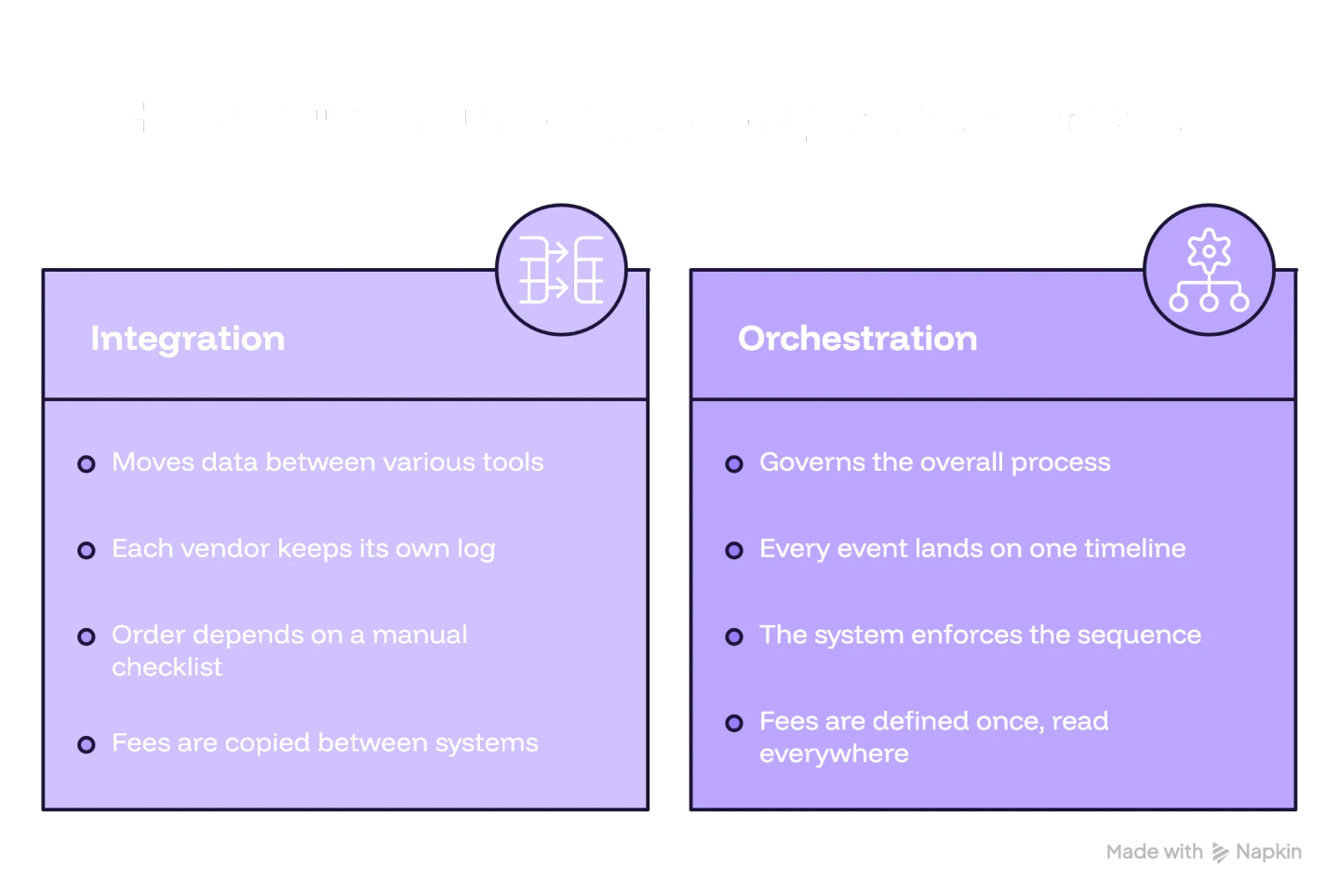
Orchestration isn't just connecting systems with integrations. Integrations move data. Orchestration governs the process. In practice, that comes down to four principles:
One source of truth for price
Rent and fees are defined once, as structured data in a configured fee catalog. Every downstream step, from listing to lease to ledger, reads from that same definition. No one retypes the fee schedule. (See Fee Transparency)
Enforced sequence
Certain steps must happen before others. Every applicant sees the full cost before paying anything nonrefundable, and the lease can't be generated until required disclosures are acknowledged. The workflow also has to know what can wait. A credit report can come back in seconds, while a criminal search in some jurisdictions can take days. The system enforces the order, not a checklist on someone's desk.
Rules as configuration, not judgment
Rental criteria and jurisdiction-specific requirements are set up once per property and applied the same way, as configured, to every applicant. Screening results, supporting documents, and exceptions stay attached to the application, so the decision and who made it are visible. (See Screening & Identity)
Every event logged
Each disclosure shown, acknowledgment captured, decision made, and document signed is timestamped in one place. The audit trail builds itself as the work happens. (See Audit Trail)
Why fee rules make this urgent
For years, operators could treat these handoff gaps as friction: annoying, but survivable. The rules are catching up. Since July 2023, Minnesota has required nonoptional fees to appear with advertised rent and in the lease's Total Monthly Payment (Minn. Stat. § 504B.120). Virginia's HB 2430 applies to leases entered into, extended, or renewed on or after July 1, 2025 (Virginia LIS), and Colorado's fee law took effect January 1, 2026 (HB 25-1090).
The FTC reached a $48 million settlement with Invitation Homes in 2024 and a $24 million settlement with Greystar in 2025, both over how fees were presented. In March 2026 it formally asked for public comment on a possible rental-fee rule, including whether advertised rent should include all mandatory fees. That's an advance notice, not a final rule, but it shows where federal attention is going.

State fee laws and FTC actions, 2023–2026. Track the requirements by state on our Regulatory Tracking map.
Those questions all come back to two things: does the price a renter is shown match the price they pay, and did they see it before paying anything? Those are orchestration questions. You can't answer them reliably with disconnected tools and good intentions.
How NOVY runs the leasing workflow
When we built NOVY, we started from the handoffs rather than the individual steps. Applications, fee transparency, screening, and lease generation run as one governed leasing workflow. Fees flow from one configured catalog into the lease, and into the PMS through supported integrations. Approved applicant information becomes lease data instead of being rebuilt. The goal is simple: the number a renter sees on day one is the number on their lease and the number they're billed.
Good orchestration is mostly invisible. Think of renewing a car registration online, where your vehicle, insurance, and address are already filled in. That's the standard. Renters get a clean, predictable process. Leasing teams spend their time with people instead of reconciling spreadsheets. And when someone asks you to prove what happened, the answer is already written down.